Skip to content
Home Cities Journal Match Compare About Add Clinic For studios
Vol. I · Updated April 2026 · 🇰🇷 South Korea Clinic Profile

Yaan Clinic Gangnam Seoul Korea | Premium Skin Clinic Dermatology Aesthetic near
Seoul.

Coex · Filler Botox Ultherapy Thermage Center
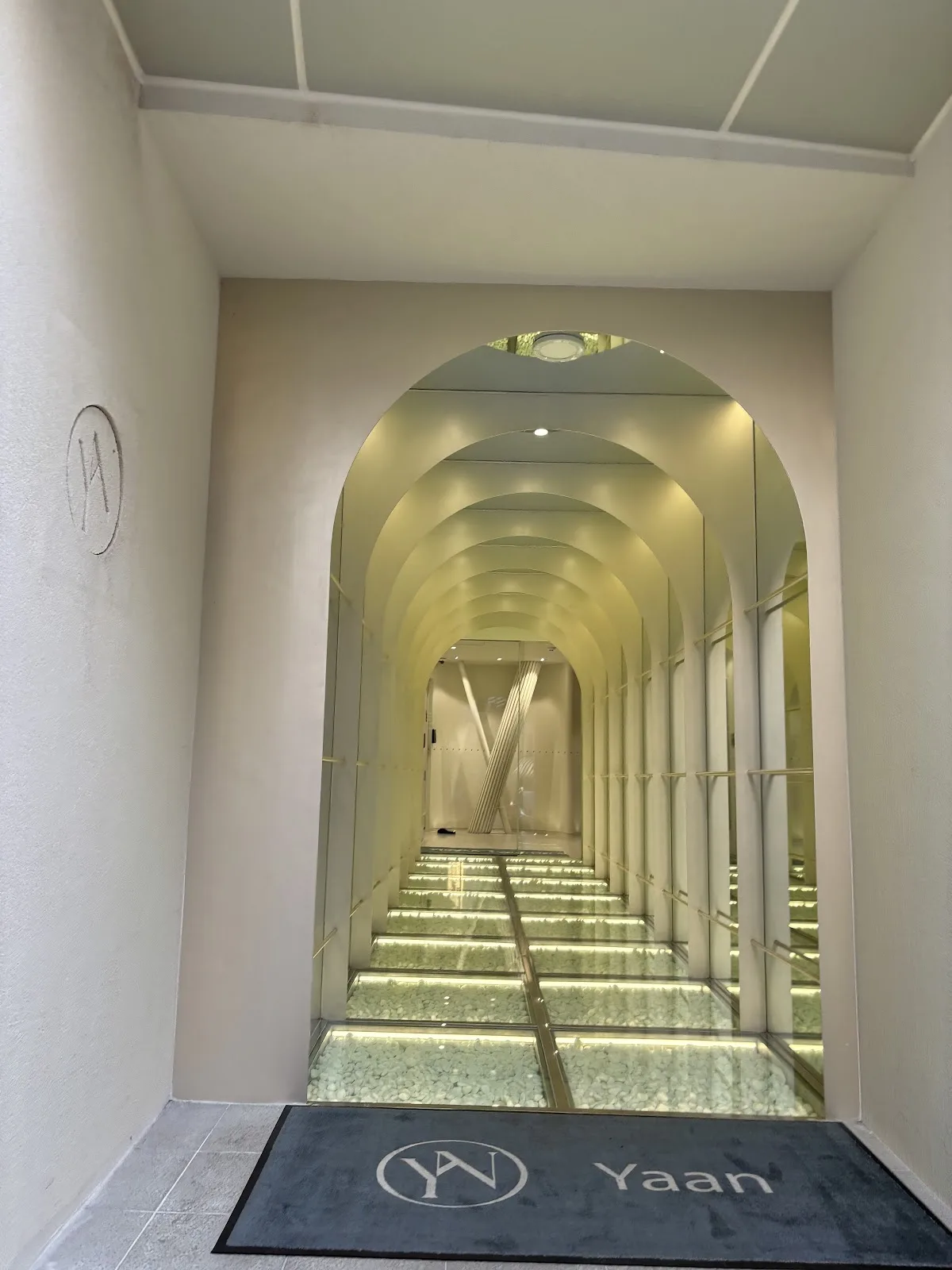
4.8★ rating 298 reviews
Yaan Clinic Gangnam Seoul Korea | Premium Skin Clinic Dermatology Aesthetic near
DetailsAt a glance
Rating ★★★★☆ 4.8 (298 reviews)
Address South Korea, Seoul, Gangnam District, Bongeunsa-ro 82-gil, 5 덕봉빌딩), 얀클리닉
About this clinicOverview

Yaan Clinic Gangnam Seoul Korea | Premium Skin Clinic Dermatology Aesthetic near is a Korean aesthetic clinic located in Seoul, South Korea. According to Google, Yaan Clinic Gangnam Seoul Korea | Premium Skin Clinic Dermatology Aesthetic near has a public rating of 4.8★ based on 298 user reviews. The clinic is listed on KClinicFinder, a directory of korean aesthetic providers worldwide.

Information may be outdated or inaccurate; always confirm details directly with the clinic before visiting. See our medical disclaimer for health-related considerations.

LocationMap
The short answerWhat you need to know

Yaan Clinic Gangnam Seoul Korea | Premium Skin Clinic Dermatology Aesthetic near is an aesthetic clinic actively listed in Seoul, South Korea, tracked from public business sources. Korean aesthetic medicine operates in three distinct segments: (1) plastic surgery (invasive procedures performed by KAPS-certified surgeons), (2) dermatology (laser, injectables, skin procedures by dermatologists), and (3) beauty or non-medical procedures. Pricing, qualifications, and risk profiles differ significantly across segments. The listing does not publicly specify the lead surgeon's certification or clinic licensing; before consultation, ask whether the lead surgeon is KAPS-certified and whether the clinic is registered with the Korean Ministry of Health & Welfare. Public reviews aggregate 4.8★ across 298 ratings, a strong volume signal for an individual practice. International patients should ask in writing about: total costs (including hidden fees), what happens if complications arise, who administers anaesthesia, the surgeon's specific experience with the procedure, and revision or aftercare policies.

Trust ScoreHow we read this listing
B
81/100
Public data signals — non-clinical
See breakdown
Verification
60
Activity
80
Transparency
85
Engagement
98
Conflict
100

Computed from public business signals only — not a clinical assessment. See our methodology for how each dimension is measured.

Before your visitPractical logistics
What to research before you fly
Identify the specific procedure you want (not “something general”). Research 2–3 clinics offering it, check their Korean medical license, read recent reviews on Korean platforms (Naver, Kakao) — not just Google. Cross-check the listed doctor's profile on the Korean Medical Association website.
Language and translation
Most reputable clinics in Gangnam and Apgujeong offer English, Chinese, and Japanese coordinators. For consultation, insist on a dedicated translator — not the receptionist. For procedures, expect post-op instructions in your language in writing.
The consultation
A proper consultation is a one-hour appointment with the actual doctor who will perform the procedure. Not with a sales coordinator. If the consultation is handled entirely by non-medical staff pushing packages, walk out.
Timing for recovery
Most non-surgical procedures (skin boosters, lasers, ultherapy) need 24–72 hours of no sun, no sauna, minimal makeup. Surgical procedures require 5–14 days local recovery plus stitch removal. Do not book a flight for the day after — visible swelling, bruising, or complications can occur.
Payment and pricing transparency
Reputable clinics provide an itemized quote in writing before any procedure. Common hidden costs: consultation fees, anesthesia, post-op medications, follow-up visits. Asking “all-in price” in writing is standard and reasonable.
Follow-up commitment
For surgical procedures, expect 1–2 follow-up visits over 7–14 days. Plan your Seoul stay around this. For non-surgical, one follow-up at the 2-week mark is typical.
Questions nobody asksHonest answers
I don't speak Korean — is it a problem?
At top Gangnam and Apgujeong clinics, no. English, Chinese, and Japanese are handled. Mid-tier or suburban clinics — much more limited. Always confirm translation support **before** the consultation, not on arrival.
Can I fly home the same day?
Non-surgical, minor procedures (HIFU, skin boosters): generally yes, with at least 4 hours post-procedure before flight. Surgical or more invasive: no. Swelling peaks 48–72 hours post-op and you want medical access during that window.
Will people notice when I get back?
Depends on the procedure. Skin boosters, small filler, ultherapy: almost never. Eye surgery, rhinoplasty, fat grafting: yes, for 2–6 weeks until swelling subsides. Clinics underestimate recovery time in marketing — read post-op timelines realistically.
What won't they do even if I ask?
Ethical clinics decline procedures that are inappropriate for your anatomy, medical history, or goals. Requests for extreme transformations, inappropriate procedures for your age, or procedures that would cause serious complications are refused. A clinic that says yes to everything is a red flag, not a luxury.
How do I check a Korean doctor's credentials?
Korean Medical Association (대한의사협회) maintains a public registry. Doctor's license number should be visible on the clinic website or available on request. Real plastic surgeons are board-certified by KAPS (Korean Society of Plastic Surgeons); dermatologists by KDA (Korean Dermatological Association).
Are Korean clinics really cheaper than Western clinics?
For comparable procedures: 30–60% cheaper in Korea, for similar or higher quality at top-tier clinics. But: flights, accommodation, recovery time, and follow-up add 30–50% to the real cost. Total savings for medium-level procedures: typically 20–40%.
What are the actual risks?
Same as anywhere else for the same procedure — infection, scarring, asymmetry, and rare severe complications (nerve damage, embolism). What adds risk in medical tourism: follow-up difficulty, complications after returning home, language barriers during emergencies. Factor this into your decision.
What if something goes wrong after I return home?
Written post-op instructions, 24-hour emergency contact at the clinic, and your home doctor briefed on what was done. Insurance for medical tourism exists (Allianz, World Nomads cover some procedures). Confirm coverage before travelling.
How should clients evaluate a Korean clinic before booking?
Most medical tourism advisors recommend verifying: (1) clinic registration with Korean Health Ministry, (2) board certification of the lead surgeon (Korean Society of Plastic and Reconstructive Surgeons, Korean Dermatological Association), (3) clinic English/multilingual support staff, (4) before-after portfolios with consistent results, (5) transparent pricing breakdown (consultation, procedure, anaesthesia, hospital stay, follow-up). Many international patients use medical tourism agencies (DocFinderKorea, Jivaka, MediNDoc) for screening assistance.
What is the typical recovery timeline and post-op care protocol for Korean cosmetic procedures?
Recovery varies significantly by procedure. Double eyelid surgery: 1-2 weeks visible recovery, 3-6 months full settling. Rhinoplasty: 1-2 weeks splint, 6-12 months final result. Hair transplant: 3-7 days recovery, 6-12 months full regrowth. Most Korean clinics include detailed post-op care kits (silicone gel, antibiotic ointment, cold compresses) and 24-hour emergency contact. Many clinics partner with international hotels for recovery accommodation with follow-up visits.
What about scarring and keloid risk for Asian skin types?
Asian skin has higher keloid scarring tendency than Caucasian skin in clinical literature, which is why Korean surgical techniques have evolved specific approaches (precise incision placement, layered closure techniques, post-op silicone protocols). Korean Dermatological Association guidelines include keloid risk assessment in pre-op consultations. Some clinics offer additional anti-scarring treatments (laser, steroid injections, pressure therapy) as part of recovery packages. Patients with personal or family history of keloids should discuss specific protocols during consultation.
How is anaesthesia managed in Korean cosmetic clinics?
Most Korean cosmetic clinics use local anaesthesia with optional twilight sedation (IV midazolam, propofol) for procedures like eyelid surgery, rhinoplasty, V-line surgery. General anaesthesia is reserved for major procedures (extensive body contouring, jaw surgery). Anaesthesia is administered by a board-certified anaesthesiologist (board certification required by Korean medical law for general anaesthesia). Many clinics share their anaesthesia team credentials publicly. Patients should review allergies, medication interactions, and fasting requirements during pre-op consultation.
What follow-up care options exist for international patients returning home?
Most reputable Korean clinics offer: (1) detailed written post-op instructions in multiple languages, (2) 24-hour international emergency contact (WhatsApp, email, video consultation), (3) recommended timing for stitch removal locally if not done before departure, (4) referral to home-country specialists for follow-up exams, (5) virtual consultations at 1 week, 1 month, 3 months. Some clinics partner with international clinic networks for in-person follow-up. Medical tourism insurance (Allianz Care, World Nomads Medical) covers some post-return care.
How do refund and revision policies typically work?
Refund policies for cosmetic surgery in Korea (and globally) are typically very limited once surgery is performed. Most reputable Korean clinics offer revision policies covering specific complications (asymmetry, hypertrophic scarring beyond normal range) within a defined window (typically 6-12 months) at reduced or no additional cost. Pre-payment refund policies vary by clinic — typically full refund up to 30 days before, partial refund for cancellations closer to date. Review policies in writing before payment.
What is the Rejuran skin booster trend and why is it popular in 2025-2026?
Rejuran is a polynucleotide (PN) skin booster derived from salmon DNA, applied via micro-injections to stimulate skin regeneration, hydration, and elasticity. Popularised in Korean dermatology clinics, it has gained significant international visibility in 2025-2026 (featured in Allure, Vogue, Seoul Korea Asia). Treatment protocols typically involve 3-4 sessions spaced 2-4 weeks apart with maintenance every 6-12 months. Results include improved skin texture, fine line reduction, and overall complexion enhancement reported by many clients.
What is Shurink and how does it compare to other non-surgical lifting treatments?
Shurink is a Korean-developed non-surgical lifting treatment using high-intensity focused ultrasound (HIFU) targeting the SMAS layer (superficial musculo-aponeurotic system) of the face. Featured in Allure 2026 as a trending treatment, it competes with Ultherapy and Thermage for non-surgical facial lifting. Typical results include skin tightening visible after 2-3 months, full effect at 6 months, lasting 12-18 months. One session typically takes 60-90 minutes with minimal downtime.
How has the Korean hair transplant tourism market evolved in 2025-2026?
Korean hair transplant tourism saw significant growth (+588% Q3 2024 according to Jivaka Medical Tourism reports), particularly for FUE (follicular unit extraction) procedures. Korean techniques are recognised for their density and natural hairline design. Major clinics are concentrated in Gangnam district, Seoul. Procedures typically take 6-10 hours over 1-2 days, with full regrowth visible at 12-18 months. Many international patients combine hair transplant with other cosmetic procedures during their visit.
What is the V-line surgery trend and its evolution toward natural results in 2026?
V-line surgery (mandibular contouring) reshapes the jaw and chin to create a more tapered, V-shaped lower face profile. The 2025-2026 trend has shifted from dramatic 'K-pop look' results toward more natural, age-appropriate contouring — Korean surgeons have refined techniques for subtler outcomes. Procedures combine mandibular osteotomy with chin reshaping and sometimes buccal fat removal. Recovery is significant (2-3 weeks visible swelling, 6 months final result). Always discuss desired natural-looking outcomes during consultation.
What is the current trend toward natural-looking versus dramatic results in Korean cosmetic surgery?
The 2025-2026 trend in Korean cosmetic surgery has notably shifted toward more natural, age-appropriate enhancements rather than the dramatic 'K-pop look' of previous decades. Top Korean clinics now emphasise personalised consultations focused on enhancing individual features rather than achieving a standardised aesthetic. This evolution reflects broader cultural shifts in Korean beauty standards and international patient preferences. Many clinics now use 3D imaging software to preview natural-looking outcomes during consultation.
How can patients verify before-and-after photo authenticity at Korean clinics?
Most reputable Korean clinics provide unedited before-and-after portfolios during consultation, often with patient consent for limited international marketing use. Verification methods include: requesting photo metadata (timestamps), asking about lighting consistency, requesting video consultations with previous patients (some clinics facilitate this with consenting patients), cross-referencing portfolios with independent review platforms (RealSelf, Trustpilot international, Google Reviews). Korean Health Ministry regulations prohibit misleading medical advertising.
What language support do Korean clinics typically offer international patients?
Major Korean cosmetic clinics typically offer multilingual coordinators (English, Chinese, Japanese, increasingly Russian, Arabic, Spanish) who manage consultation translation, appointment scheduling, and recovery support. Surgeon consultations are often conducted through these coordinators when language barriers exist. Many clinics use translation apps for real-time conversation during follow-ups. Clinics specialising in international patients (63% of Seoul cosmetic dermatology traffic per Seoulz 2026) have particularly well-developed language support infrastructure.
What does the cost difference between Korean and Western cosmetic clinics actually represent?
The 40-70% cost difference between Korean and Western cosmetic clinics (per Korean Tourism Organization medical tourism reports) reflects multiple factors: high competition density in Gangnam district (85.4% concentration per Jivaka data), economies of scale from medical tourism volume, Korean healthcare cost structures, and direct clinic operating models. The savings include the procedure itself but typically exclude flights, accommodation, recovery time. For international patients, total trip costs including 7-14 days stay often still represent significant savings compared to home-country procedures.
What documents and preparations should international patients bring for a Korean cosmetic procedure?
Essential documents: passport with appropriate visa, medical history records (in English or translated), recent blood test results (within 30 days, some clinics require specific panels), current medication list with dosages, insurance documentation if applicable. Preparations: stop blood-thinning medications and supplements 1-2 weeks before per surgeon guidance, fast as specified (typically 8 hours pre-anaesthesia), arrange airport transfers and recovery accommodation, bring comfortable loose clothing for post-op, prepare home-country follow-up care contacts.
What can international patients expect at their initial consultation and pre-op assessment?
Initial consultation typically includes: medical history review, physical examination of target area, 3D imaging or simulation showing predicted results, discussion of options and techniques, risk explanation in patient's language, pricing breakdown with all components, review of pre-op preparation requirements. Pre-op assessment (typically day before or morning of procedure): blood tests, EKG, anaesthesia consultation, final photos, written consent forms. Many clinics conduct preliminary consultations via video call before international patients commit to travel.
Credentials to look for in a Korean aesthetic clinicHow to assess a clinic and surgeon

Korean aesthetic clinics range from board-certified plastic-surgery practices to dermatology and beauty-focused operations. The two key markers of legitimacy are (1) the lead surgeon's board certification and (2) the clinic's licensing status with the Korean Ministry of Health & Welfare.

KAPS (Korean Association of Plastic Surgeons)
Professional body for board-certified plastic surgeons in South Korea. KAPS members have completed accredited residency training in plastic surgery and passed national board exams. Reference site: plasticsurgery.or.kr.
KSAPS (Korean Society of Aesthetic Plastic Surgery)
Subspecialty society within plastic surgery focused on aesthetic procedures. KSAPS members are typically also KAPS-certified. Reference site: ksaps.or.kr.
ISAPS (International Society of Aesthetic Plastic Surgery)
International body. ISAPS membership requires board certification in the surgeon's home country plus continuing education in aesthetic surgery.
Korean Ministry of Health & Welfare licensing
Every aesthetic clinic operating legally in South Korea must be licensed by the Ministry. The license should be visibly displayed in the clinic.
5 questions to ask about credentialsBefore booking
  1. Is the lead surgeon board-certified in plastic surgery (KAPS), or are they a general practitioner or dermatologist offering aesthetic procedures?
  2. Is the clinic licensed by the Korean Ministry of Health & Welfare?
  3. Who administers anesthesia — a board-certified anesthesiologist, or another staff member?
  4. What is the protocol if there is a complication, and what aftercare and follow-up is included?
  5. Are revision policies, total costs, and what's NOT included clearly disclosed in writing before the procedure?
Who should wait or get cleared firstContraindications
General contraindications for aesthetic procedures
Pregnancy, breastfeeding, active skin infection, autoimmune flare, recent chemotherapy (under 6 months), immunosuppressant medications, blood clotting disorders. (Source: American Academy of Dermatology.)
Specific procedure cautions
Laser treatments: recently tanned skin, Melasma, photosensitive medications (isotretinoin). Injectables (filler, botulinum toxin): neurological conditions, pregnancy. Ultherapy / HIFU: metal implants in the treatment area.
Recovery-incompatible plans
If you have a major event (wedding, work presentation) in the 2–4 weeks following your trip, reschedule. Recovery timelines are longer than marketing suggests.
Medical tourism-specific
Serious cardiovascular conditions, uncontrolled diabetes, recent major surgery: international travel for elective procedures is inappropriate. Your regular physician must clear international travel for any invasive procedure.
Disclaimer
This list is informational and not exhaustive. Consult a licensed healthcare professional. See our medical disclaimer.
Red flags before you bookStudio quality signals
Consultation handled by sales staff only
The doctor who will perform the procedure must be present for the consultation. Anything less is bait-and-switch — you are sold by coordinators, then procedured by whoever is available.
No itemized written quote
Reputable clinics provide a full written quote covering consultation, procedure, anesthesia, medications, and follow-up. A verbal “all-inclusive” price with no paperwork is how hidden fees appear after.
Immediate booking pressure
“Special offer today only, book now” in a medical clinic is a sales tactic, not a medical recommendation. Take 48 hours to decide any elective procedure.
No doctor license number displayed
Korean law requires clinics to display the medical license of the doctor performing procedures. No visible license = not operating legally.
No post-op follow-up plan
A clinic that does not schedule a 2-week post-op check is not tracking complications. Critical for surgical procedures, strongly recommended for injectable and laser work.
Extraordinary before-and-after claims
Dramatic transformation images without procedure breakdown, airbrushing, or patient-provided photos are marketing, not evidence. Real results come with a documented procedure list and realistic timeline.
Question not answered?Help us improve this page

Have a question about Korean aesthetic not covered here? Tell us — we'll add the answer (real questions from real clients shape this page).

Frequently asked questionsAbout Yaan Clinic Gangnam Seoul Korea | Premium Skin Clinic Dermatology Aesthetic near
How do I book an appointment at Yaan Clinic Gangnam Seoul Korea | Premium Skin Clinic Dermatology Aesthetic near?

To book a session at Yaan Clinic Gangnam Seoul Korea | Premium Skin Clinic Dermatology Aesthetic near, we recommend contacting +82 2-501-1323 directly. Most Korean aesthetic clinics offer online booking, email reservations, or phone scheduling. Availability can vary — contacting ahead is always advised.

What should I expect at a first visit to Yaan Clinic Gangnam Seoul Korea | Premium Skin Clinic Dermatology Aesthetic near?

First-time visitors to a Korean aesthetic clinic typically arrive 10–15 minutes early for an intake consultation. Yaan Clinic Gangnam Seoul Korea | Premium Skin Clinic Dermatology Aesthetic near may ask about your health history, goals, and any contraindications. Expect an intake form and a brief conversation before your first session.

How much does a session at Yaan Clinic Gangnam Seoul Korea | Premium Skin Clinic Dermatology Aesthetic near cost?

Pricing at Yaan Clinic Gangnam Seoul Korea | Premium Skin Clinic Dermatology Aesthetic near varies by session length, package, and whether it's a first visit, private, or group class. Typical Korean aesthetic sessions in Seoul range around ₩200,000 – ₩2,000,000. For the current rate card, check with +82 2-501-1323.

Is Yaan Clinic Gangnam Seoul Korea | Premium Skin Clinic Dermatology Aesthetic near suitable for beginners?

Most Korean aesthetic clinics, including Yaan Clinic Gangnam Seoul Korea | Premium Skin Clinic Dermatology Aesthetic near, welcome beginners. A qualified practitioner will adapt the session to your level and any specific health concerns. If you've never tried Korean aesthetic before, mention it when booking so they can prepare accordingly.

Does Yaan Clinic Gangnam Seoul Korea | Premium Skin Clinic Dermatology Aesthetic near offer private, group, or gift options?

Many clinics in Seoul offer flexible formats: private one-on-one sessions, duet/group classes, corporate wellness bookings, and gift vouchers. Specific offerings vary — contact +82 2-501-1323 to ask about private sessions, gift cards, package deals, and multi-session memberships.

Services & optionsBeyond standard classes

Private sessions

One-on-one format with a dedicated practitioner, useful for personalized pacing, specific goals, or recovery. Availability varies — ask Yaan Clinic Gangnam Seoul Korea | Premium Skin Clinic Dermatology Aesthetic near about private rates.

Group & duet classes

Some clinics in the city offer duet (2-person) or small-group formats, often at a reduced per-person rate. Check directly with Yaan Clinic Gangnam Seoul Korea | Premium Skin Clinic Dermatology Aesthetic near for current schedule and group sizes.

Gift vouchers & cards

Gift vouchers make a practical wellness present and are commonly available at established clinics. Reach out to Yaan Clinic Gangnam Seoul Korea | Premium Skin Clinic Dermatology Aesthetic near directly to confirm.

Memberships & multi-session packages

Regular practice is typically priced more affordably through 5-class packs, 10-class packs, or monthly memberships. Trial packages for new clients are also common.

Corporate & event bookings

For team-building, corporate wellness events, or private group sessions, many clinics take direct bookings. Mention the size of your party and preferred format when you inquire.

Availability and pricing are set by the clinic and can change. Always confirm before booking.

What to expectA typical korean aesthetic session

Korean aesthetic clinics offer non-invasive and minimally-invasive procedures — from facial treatments and skin-care therapies to cosmetic interventions. A consultation typically opens the first visit, during which the clinic assesses skin type, concerns, and treatment goals. Before booking, ask each clinic about pre-procedure planning, pricing transparency, practitioner credentials, and aftercare. Individual clinic practices vary. See our medical disclaimer.

Other clinics in Seoul30 total

BLS clinic in Seoul

5★ · 1157 reviews

더힐피부과 신사본점

5★ · 376 reviews

D&A Dermatology Clinic

5★ · 336 reviews
View all 30 clinics in Seoul →

Own this clinic?

Claim your profile and get featured at the top of Seoul.

Get Featured →