How much does a Korean aesthetic treatment cost in Seoul?
Typical 2026 ranges: glass-skin facial ₩150,000–₩350,000, PDRN injection ₩200,000–₩400,000, Rejuran injection ₩300,000–₩600,000, double-eyelid surgery ₩2M–₩4M, rhinoplasty ₩4M–₩10M. Premium Cheongdam clinics sit at the top of these ranges; Yeoksam mid-tier clinics at the bottom. Consultation is often free with procedure.
Which Seoul neighbourhood has the most Korean aesthetic clinics?
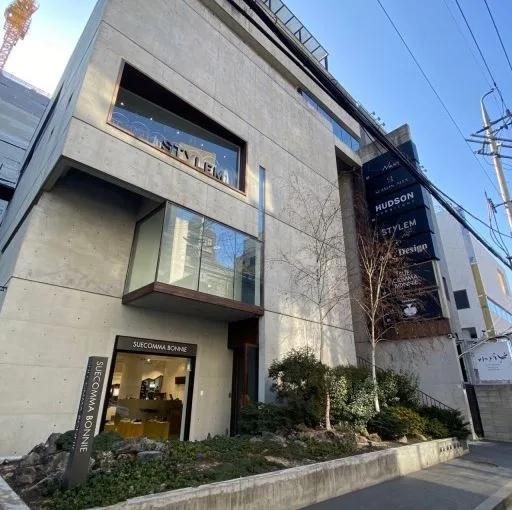
Gangnam-gu — specifically Apgujeong-dong (Apgujeong-ro 80-gil, Dosan-daero 67-gil), Cheongdam-dong (along Seolleung-ro), and Sinsa-dong / Garosu-gil. The walking radius from Apgujeong Station (Line 3) covers ~80% of internationally-marketed Seoul clinics.
Do Seoul Korean aesthetic clinics speak English?
The majority of clinics in Apgujeong, Cheongdam and Sinsa have an English-speaking coordinator. The treating doctor may use the coordinator for translation. Less common in Yeoksam-dong and outside Gangnam-gu — confirm by KakaoTalk before booking.
Is Korea cheaper than the West for plastic surgery and dermatology?
On dermatology and skin boosters, Seoul prices are typically 30–50% below London / NYC / Sydney for the same procedure. On plastic surgery, the gap is 40–65% for comparable surgeon experience. The 10% VAT refund for foreign patients widens the gap further. (Source: KHIDI medical-tourism statistics, 2024.)
What is Rejuran and what does it actually do?
Rejuran is a polynucleotide injectable derived from salmon DNA, MFDS-approved in Korea, marketed by PharmaResearch Bio. Injected intradermally over a 3-session protocol spaced 2–4 weeks apart, it is used for skin elasticity, fine-line softening, scar bed remodelling, and tear-trough rejuvenation. Visible results typically appear after the second session.
What is PDRN and how is it different from Rejuran?
PDRN (polydeoxyribonucleotide) and Rejuran are both salmon-DNA-derived injectables, but Rejuran is a longer-chain polynucleotide marketed for skin remodelling, while PDRN is shorter-chain DNA fragments primarily approved as a wound-healing agent in Korea. PDRN protocols are often shorter (3 sessions) and lower-priced. Always under a licensed physician.
Is the glass-skin facial worth flying to Seoul for?
The single-session glass-skin effect peaks at 24h and largely fades in 3–5 days. The cumulative effect (texture, congestion, even tone) needs 4–6 sessions over 8–12 weeks — not realistically tourism-friendly. Most international visitors combine it with a skin booster (Rejuran / PDRN) that does have a single-session rationale.
Can foreigners book Seoul clinics directly without an agency?
Yes, and most do. Direct booking via the clinic's English website, email, or KakaoTalk avoids the 10–25% agency markup. Agencies are useful for hotel + transfer + interpreter packages, particularly for surgical procedures requiring multi-day recovery and follow-up.